Mastering Your Brand Image with an Editable Thank You Label Template
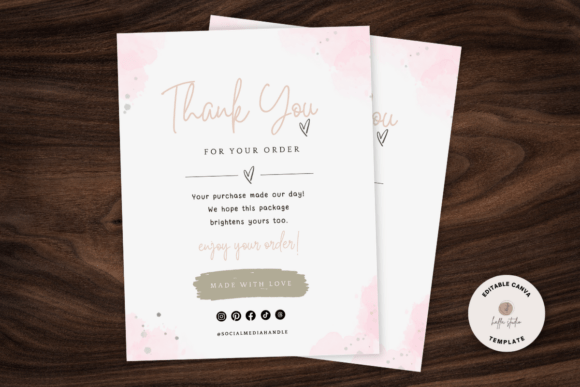
Sending a handwritten note is a lovely gesture, but in the fast-paced world of small business and content creation, consistency and scalability are just as important as sentiment. This is where a well-designed Editable Thank You Label Template becomes an indispensable tool for entrepreneurs, marketers, and creators alike. Whether you are packaging handmade jewelry, shipping out subscription boxes, or simply sending a token of appreciation to a loyal client, the way you express gratitude matters. However, many users rush into downloading and printing these digital assets without fully understanding the nuances of customization, file formats, and print preparation. By overlooking these details, you risk diminishing the professional quality of your brand or wasting money on poorly executed prints.
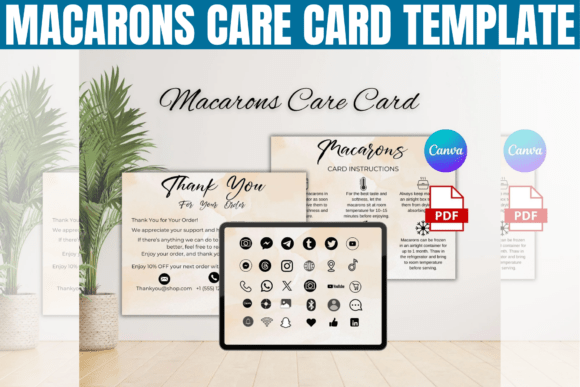
It is crucial to understand exactly what you are purchasing when you see the disclaimer: THIS IS A DIGITAL ITEM. NO PRINTED ITEM WILL BE SHIPPED TO YOUR HOME. This distinction often catches first-time buyers off guard. Some expect a physical roll of stickers or a stack of cards to arrive at their doorstep. When they receive a download link instead, confusion sets in. To avoid this frustration, recognize that you are buying the design framework, not the final product. The value lies in the ability to tailor the message to every specific customer while maintaining a cohesive brand aesthetic. You receive a .zip file containing a PDF with instructions and a link to access the design within Canva. Understanding this workflow before you click "buy" ensures you are prepared to take the next steps immediately.
Common Pitfalls in Customization and Design
One of the most frequent mistakes users make when working with an Editable Thank You Label Template is over-customizing to the point of clutter. Because the template is designed to be flexible, there is a temptation to add multiple fonts, excessive colors, or too many graphical elements. This often results in a label that looks amateurish and is difficult to read. Remember, the primary goal of a thank-you card is clear communication and genuine appreciation. A clean, classic design often conveys more professionalism than a busy one. Stick to your brand's core color palette and limit yourself to two complementary fonts—one for headings and one for body text.
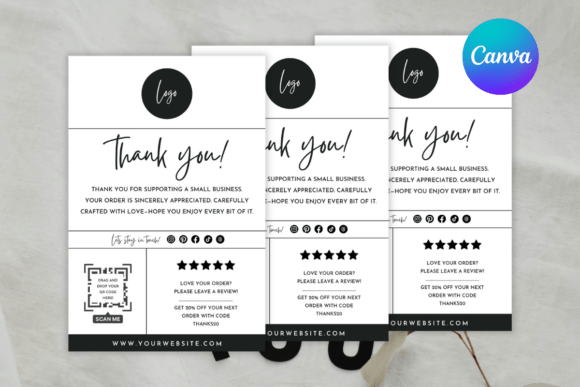
Another significant oversight involves ignoring the bleed and safety margins. Since these templates are typically sized at 6×4 inches, similar to a standard postcard or large label, precision is key. Users often drag their logos or critical text right to the edge of the canvas. When printed, especially at home or through third-party services, slight shifts can occur, resulting in cropped text or white borders where there shouldn't be any. Before finalizing your edit in Canva, always ensure that essential information is kept well within the inner boundaries of the design. This simple check prevents costly reprints and ensures a polished finish.
Furthermore, many beginners neglect to proofread their editable fields. It sounds obvious, but when you are focused on moving images and changing colors, it is easy to leave placeholder text like "[Customer Name]" or "[Business Name]" in the final export. Always do a final review of every text box. Better yet, have a colleague or friend look at the design with fresh eyes. A typo on a thank-you note can undermine the sincerity of the message and make a small business appear careless.
Navigating the Technical Workflow
The beauty of this specific template is that it was made by Canva, a simple and free online editing tool. You don't need to install any expensive software; just use your web browser to edit. However, a common misunderstanding arises regarding the account type needed. While a free Canva account is sufficient for most basic edits, some users inadvertently select premium elements (marked with a crown icon) within the template or add their own premium graphics. If you download the file with these elements while on a free plan, you may encounter watermarks or be unable to download the high-resolution version needed for printing. To avoid this, stick to free elements or upgrade your account temporarily if the design requires specific premium assets.
Additionally, users often struggle with the file extraction process. After purchase, you will receive a .zip file. On mobile devices, opening this can sometimes be confusing if the user does not have a file manager app that handles compression. If you are editing on a tablet or phone, ensure you know how to unzip the file to access the PDF containing the Canva link. For the smoothest experience, many professionals recommend starting the editing process on a desktop or laptop computer where file management and precise mouse control make aligning elements much easier.
Making the Right Choice for Printing
Once your design is perfected, the next decision is how to bring it to life. You can print at home or have the files printed professionally at stores like Staples or Office Depot, an online print service like Vistaprint, or a local print shop. Each option has its pros and cons, and choosing the wrong one for your volume needs can affect your bottom line.
- Home Printing: Ideal for small batches or last-minute orders. However, ensure you use high-quality cardstock (at least 80lb cover weight) rather than standard printer paper. Thin paper can jam in printers and feels cheap to the recipient. Also, verify your printer settings are set to "Actual Size" or "100%" to prevent the 6×4 inch template from being scaled down incorrectly.
- Local Print Shops: Great for quick turnaround and the ability to feel paper samples before committing. This is a good middle ground for growing businesses that need fifty to a hundred labels quickly.
- Online Print Services: Best for bulk orders. Services like Vistaprint often offer better pricing per unit for large quantities, but shipping times must be factored into your inventory planning.
A frequent error here is downloading the wrong file format for the printer. For professional printing, you usually want a PDF Print file with crop marks and bleed settings enabled. For home printing, a high-quality PNG or standard PDF often works best. Check the requirements of your chosen print provider before exporting your final design from Canva.
Maximizing the Value of Your Digital Purchase
To truly get the most out of your Editable Thank You Label Template, treat it as a living part of your brand toolkit, not a one-time fix. Save different versions of the file for various occasions. You might have a classic version for corporate clients and a cuter, more colorful version for holiday shipments. Because the template is fully customizable, you can adapt the message seasonally without redesigning from scratch.
Before making a decision to buy or use a specific template, check the license terms. Most templates allow for unlimited personal and commercial use for your own products, but they rarely allow you to resell the template itself as a digital download. Respecting these boundaries protects you from legal issues and supports the creator community.
In conclusion, expressing gratitude effectively requires more than just nice words; it requires presentation. By avoiding common customization errors, understanding the digital nature of the product, and selecting the appropriate printing method, you ensure that every label you send enhances your brand reputation. With a basic knowledge of Canva and a keen eye for detail, this template empowers you to create professional, heartfelt touches that resonate with your audience, turning a simple transaction into a lasting relationship.