Presenting Your Designs with a Double Invite Card Mockup Front Back
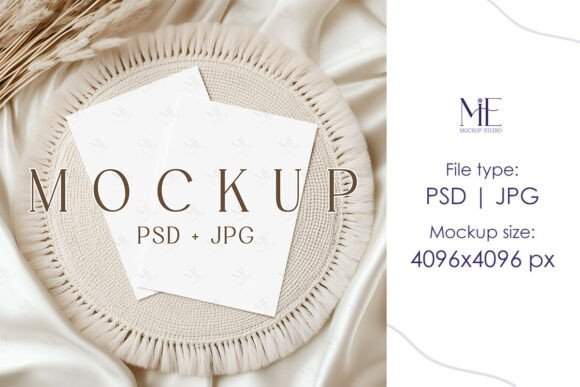
Imagine you have spent hours perfecting the typography, color palette, and layout for a wedding invitation or a corporate event announcement. You are proud of the work, but when you send a flat JPEG to a client or post it on social media, it falls flat. It looks like a digital file, not a tangible piece of paper that someone would hold in their hands. This is the exact gap a Double Invite Card Mockup Front Back bridges. It transforms your two-dimensional design into a realistic, three-dimensional presentation that helps viewers visualize the final product before a single sheet of paper is printed.
In the world of graphic design and small business marketing, perception is everything. Whether you are a freelance designer pitching to a bride-to-be, a stationery shop owner updating your Etsy store, or a marketing manager preparing a campaign deck, the way you present your work dictates its perceived value. A high-quality mockup does the heavy lifting for you by adding shadows, texture, and depth that flat images simply cannot convey.
Why Realism Matters in Digital Portfolios
We live in an increasingly digital marketplace, yet people still crave tactile experiences. When a customer scrolls through Instagram or browses a portfolio website, they are looking for cues that tell them a product is real and high-quality. A Double Invite Card Mockup Front Back provides those cues instantly. By showing both sides of the card, you eliminate ambiguity. Clients can see how the intricate pattern on the back complements the bold text on the front, ensuring the design feels cohesive from every angle.
Consider the frustration of a client who approves a design based on a flat screen view, only to be disappointed when the physical print arrives because they didn't realize how the paper texture would interact with the ink. Using a realistic PSD mockup allows you to simulate these conditions. The smart object layers in these files are expertly designed to wrap your artwork around the subtle curves and folds of a card, mimicking how light hits the paper. This level of detail builds trust. It tells your audience that you pay attention to the finish, not just the layout.
Versatile Use Cases Across Industries
The utility of a front back invitation template extends far beyond just wedding planners. While nuptial events are a massive market, the applications are diverse and practical for various sectors:
- Event Planning and Corporate Functions: For galas, product launches, or conferences, the invitation sets the tone. A mockup allows organizers to test different paper stocks virtually. Will a matte finish look too dull for a tech launch? Will a glossy finish feel too cheap for a charity dinner? Visualizing these options side-by-side saves money on physical proofs.
- Etsy and Small Business Sellers: If you sell digital downloads or printed stationery, your main product image is your salesperson. A generic photo of a card on a white background often gets lost in the feed. A lifestyle-oriented mockup, perhaps showing the card on a wooden table with soft lighting, creates an emotional connection. It helps the buyer imagine receiving that invite in their own mailbox.
- Graphic Design Students and Educators: For those building a portfolio to land their first job, presentation is key. Instructors and hiring managers want to see that you understand how design translates to print. Including projects showcased with professional mockups demonstrates industry readiness and an understanding of production realities.
- Marketing Agencies: When pitching a branding package to a new client, agencies often include collateral examples. Showing a business card or invite as part of a larger brand ecosystem using a consistent mockup style makes the proposal look polished and comprehensive.
Maximizing Efficiency with Smart Objects
One of the greatest advantages of using a PSD file with fully editable Smart Object layers is the sheer speed of workflow. In a fast-paced environment, you might need to generate ten different variations of an invite for a client meeting within an hour. Without a mockup, this would involve complex photography setups or tedious manual shading in Photoshop.
With the right template, the process is streamlined. You simply locate the smart object layer, double-click it, paste your design, save, and watch the magic happen. The software automatically applies the correct perspective, lighting, and shadow effects. This means you can focus on the creative aspects of the design—like kerning and color theory—rather than wrestling with technical presentation details. It levels the playing field, allowing solo entrepreneurs to produce imagery that rivals large studios.
Choosing the Right Template for Your Needs
Not all mockups are created equal, and selecting the right one requires a bit of forethought. Before downloading or purchasing a Greeting Card Paper Poster PSD, consider the specific context of your project.
First, look at the resolution. A high-resolution JPG file 4096x4096 or higher is essential if you plan to use these images for large displays, print portfolios, or high-density retina screens. Low-resolution files may look fine on a phone but will appear pixelated and unprofessional on a desktop monitor or in a printed lookbook.
Second, evaluate the scene. Does the background complement your brand? A dark, moody mockup might be perfect for a luxury evening gala but entirely wrong for a bright, cheerful baby shower. The environment surrounding the card should enhance the narrative of your design, not distract from it. Ensure the lighting in the mockup matches the vibe you are trying to project.
Finally, check the customization limits. Some templates allow you to change the background color or move the card slightly, while others are rigid. If you need flexibility to fit specific branding guidelines, look for templates that offer adjustable layers beyond just the design insertion.
The Impact on Client Communication
Effective communication is often visual. When discussing revisions with a client, saying "the font looks too small" is vague. However, showing them a realistic mockup where the text appears illegible against the background texture makes the issue concrete. It shifts the conversation from subjective opinions to objective observations about readability and aesthetics.
Furthermore, delivering a final proof in the form of a realistic mockup can generate excitement. It turns a routine approval step into a moment of anticipation. Clients are more likely to sign off quickly and enthusiastically when they can truly "see" the finished product. This psychological boost can streamline the approval process and lead to happier long-term relationships.
Ultimately, tools like the Double Invite Card Mockup are about elevating the standard of your output. They are not just shortcuts; they are essential components of a modern designer's toolkit that ensure your hard work gets the respect and attention it deserves. By investing time in learning how to use these resources effectively, you position yourself as a professional who understands the full lifecycle of a design, from the initial pixel to the final printed piece.